

There is a quiet magic that happens in your kitchen when cold winter citrus meets the rich, peppery warmth of golden olive oil. Long before cupcakes became towering monuments to butter and powdered sugar, Mediterranean bakers understood a simple truth: liquid gold creates the most tender, velvety, and enduring crumb imaginable.
These Orange Olive Oil Cupcakes are an homage to sunny coastal afternoons in southern Italy and Spain, where citrus groves meet ancient olive orchards. While traditional American cupcakes often lean heavily on creaming butter and sugar until light, olive oil cakes rely on simple liquid fats that envelop flour proteins, preventing tough gluten networks from forming. The result is a cloud-like interior with an intensely aromatic citrus lift.
I developed this recipe after years of being underwhelmed by dry bakery cupcakes that relied on artificial extracts for flavor. By uniting freshly grated orange zest, freshly squeezed juice, rich whole-milk sour cream, and a good extra virgin olive oil, these handheld cakes strike the ultimate balance between rustic elegance and refined bakery sophistication. Crowned with a silky, citrus-perfumed cream cheese frosting, they are vibrant, grounded, and impossible to eat just one of.
Recipe Overview: Timing, Gear, and Planning
Baking these cupcakes is a relaxing, low-stress project designed to fit seamlessly into any busy schedule. From pulling your mixing bowls out of the cupboard to sliding the finished batch onto a cooling rack, expect about 30 minutes of hands-on preparation and 20 minutes of baking time. This recipe yields 20 bakery-sized cupcakes, making it an ideal yield for dinner parties, spring celebrations, baby showers, or weekend meal prep.
If you are a beginner, rest assured that oil-based batters are far more forgiving than butter-based sponge cakes. Because you do not need to worry about the finicky physics of creaming butter to mechanical aerated perfection, the batter comes together in two simple bowls with a handheld whisk or silicone spatula.
Essential Equipment
- Standard 12-Cup Muffin Pans (2): Heavy-gauge aluminized steel ensures even heat distribution without scorching the bottoms.
- Tulip Parchment Liners: These provide a bakery-style aesthetic and accommodate the gentle rise of the batter.
- Microplane Zester: Essential for shaving off only the zest without digging into the bitter pith.
- Citrus Squeezer: For extracting pure juice without seeds.
- Electric Stand Mixer or Hand Mixer: Used for whipping the cream cheese frosting to a cloud-like consistency.
- Non-Stick Cooking Spray: A light mist inside parchment liners prevents delicate crumbs from tearing.
Make-Ahead & Meal Prep Strategy
These cupcakes are uniquely suited for advance preparation. Unlike butter-based cakes, which firm up and dry out when chilled, olive oil remains liquid at cooler temperatures, locking in moisture for days. You can easily bake the cupcake bases up to two days in advance, store them in an airtight container at room temperature, and frost them the morning of your event.
The Ingredients: Chemistry, Quality, and Sourcing
Every component in this batter plays a specific chemical role in delivering structural lift, tenderness, and layered citrus aroma.
- Unbleached All-Purpose Flour (2 1/2 cups): Provides the structural framework. A standard medium-protein all-purpose flour (around 10.5% to 11.7% protein) creates sufficient gluten structure to support the moist wet ingredients without turning dense.
- Granulated Sugar (1 3/4 cups): Sweetens and acts as a liquid tenderizer during the bake. Sugar binds with water molecules, delaying starch gelatinization and keeping the crumb soft.
- Baking Soda (1 1/2 tsp) & Baking Powder (1 tsp): A dual-leavener system. The baking soda immediately reacts with the natural acid in the sour cream and orange juice to provide an initial oven burst, while the double-acting baking powder provides sustained lift as the pan heats through.
- Fine Sea Salt (3/4 tsp): Enhances the floral notes of the citrus and cuts through the richness of the oil and frosting.
- Fresh Orange Zest (2 to 3 tsp): The aromatic soul of the recipe. The zest contains essential citrus oils (limonene) that deliver pure orange fragrance without adding excess liquid acid to the batter. Always zest your oranges before slicing them open to juice.
- Extra Virgin Olive Oil (1 cup): The fat foundation. Choose an extra virgin olive oil that is mild, fruity, and buttery (such as an Arbequina or a mild California blend) rather than an intensely peppery or bitter variety. If you prefer a completely neutral profile, you can substitute an equal volume of organic canola, avocado, or vegetable oil.
- Freshly Squeezed Orange Juice (1 cup): Provides clean acidity and natural sugars. Fresh juice is vital here; bottled orange juices often contain added stabilizers or have undergone pasteurization processes that dull their high, floral flavor notes.
- Large Eggs (3, room temperature): Provide structural stability, emulsification, and moisture. Room-temperature eggs blend effortlessly into the oil and citrus juice without causing the batter to seize or separate.
- Full-Fat Sour Cream (1 cup, room temperature): The secret weapon for rich texture. Sour cream adds dairy fats and lactic acid, tenderizing the flour’s gluten while adding a subtle tang that balances the sugar. Greek whole-milk yogurt can be substituted in a pinch at a 1:1 ratio.
The Citrus Cream Cheese Frosting
- Salted Butter (1 cup / 2 sticks, softened): Provides structural firmness and a savory backbone. If using unsalted butter, add 1/4 teaspoon of fine sea salt.
- Full-Fat Brick Cream Cheese (8 oz, softened): Always use brick-style cream cheese, never whipped or tub varieties, which contain excess water and will cause the frosting to weep.
- Powdered Sugar (4 cups, sifted): Thickens, stabilizes, and sweetens the frosting.
- Fresh Orange Zest (1 tsp) & Orange Juice (2 tbsp): Injects bright citrus balance into the rich frosting base.
Step-by-Step Method: Bringing the Batter to Life
1. The Dry Base Blend
Position your oven racks in the middle and preheat to 350°F (175°C). In a large mixing bowl, combine your unbleached flour, granulated sugar, baking soda, baking powder, and fine sea salt. Whisk vigorously for 45 to 60 seconds. This step aerates the flour blend and evenly disperses the leaveners throughout the sugar and starch matrix, preventing pockets of unreacted baking soda.
2. The Citrus-Oil Emulsion
Before slicing into your oranges, run them gently across a microplane, collecting 2 to 3 teaspoons of bright orange zest. In a separate medium mixing bowl, combine your olive oil, freshly squeezed orange juice, room-temperature eggs, sour cream, and the fresh zest.
Whisk until the mixture is uniform, glossy, and pale orange. You are forming a temporary mechanical emulsion where the natural lecithin in the egg yolks bridges the olive oil with the acidic orange juice and sour cream.
3. Gentle Folding and Pan Preparation
Pour the wet emulsion into the bowl of dry ingredients. Using a wide silicone spatula, gently fold the mixture together using broad, sweeping strokes from the bottom of the bowl upward. Stop the moment the last streak of flour disappears. The batter will look thick, glossy, and slightly bubbly as the baking soda interacts with the acid.
Line two standard 12-cup muffin pans with tulip parchment liners.
Crucial Baker’s Tip: High-moisture, olive oil-based batters produce an extraordinarily delicate crumb that naturally wants to cling to paper folds as it rises. Lightly mist the insides of your paper liners with non-stick cooking spray before filling to ensure the wrappers peel away cleanly without tearing the cake.
Using a standard spring-loaded cookie scoop, transfer batter into each liner, filling each 2/3 to 3/4 full. Avoid the temptation to overfill, as olive oil batters rise with a broad crown rather than a sharp peak; overfilling will cause them to mushroom over the edges.
4. The Golden Bake
Slide your pans into the preheated oven. Bake at 350°F for 18 to 20 minutes. If your oven has known hot spots, rotate the pans 180 degrees at the 10-minute mark.
Around minute 16, your kitchen will fill with an intoxicating fragrance of toasted citrus and warm olive oil. Look for visual cues: the tops will transition from glossy to matte golden-amber, and the centers will gently spring back when lightly touched.
Insert a wooden toothpick into the center of the largest cupcake; it should emerge clean or with a few moist, tender crumbs attached. Avoid over-baking, which strips the oil of its delicate moisture.
Transfer the pans to wire cooling racks and let the cupcakes settle in the tins for 15 minutes. Then, lift them out by the tips of their liners and set them on the racks to cool completely to room temperature before frosting.
5. Whipping the Orange Cream Cheese Frosting
While the cupcakes cool, prepare the crown. In a clean mixing bowl or the bowl of a stand mixer fitted with the paddle attachment, place the softened butter and softened cream cheese. Beat on medium-high speed for 4 full minutes.
Scrape down the sides and bottom of the bowl with a spatula halfway through. The mixture should transform from dense dairy into an ivory, pillowy cloud.
Reduce the mixer speed to low and gradually add the sifted powdered sugar one cup at a time, allowing each addition to incorporate so the sugar does not cloud into your kitchen. Once incorporated, pour in the 1 teaspoon of orange zest and 2 tablespoons of fresh orange juice.
Increase the speed to medium-high and whip for an additional 60 seconds until satiny and pipeable. Pipe or swirl generously over the cooled cupcakes.
Variations & Customizations
- The Blood Orange & Cardamom Twist: Swap the standard naval oranges for Moro or Tarocco blood oranges during peak winter citrus season. Add 1/2 teaspoon of ground green cardamom to the dry ingredients for a spiced, floral warmth.
- Dairy-Free Alternative: Replace the sour cream with plain, full-fat unsweetened coconut yogurt or almond milk yogurt mixed with 1 teaspoon of apple cider vinegar. For the frosting, swap in your favorite plant-based stick butter and block vegan cream cheese.
- Citrus-Rosemary Elevation: For an herbaceous, sophisticated dinner party dessert, steep 1 tablespoon of finely minced fresh rosemary directly in the olive oil for 30 minutes before whisking into the wet ingredients.
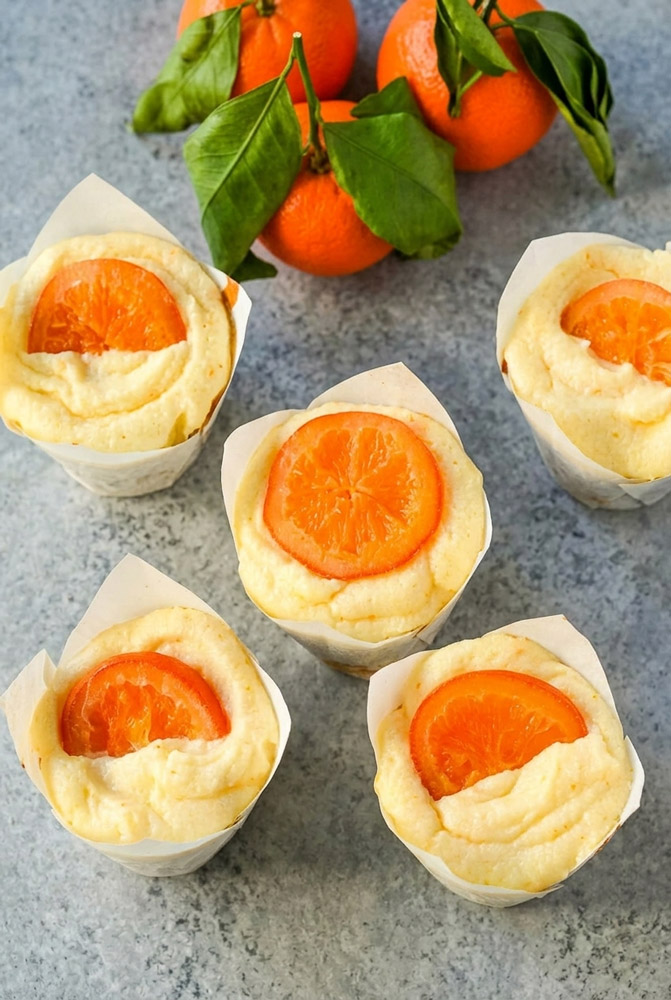
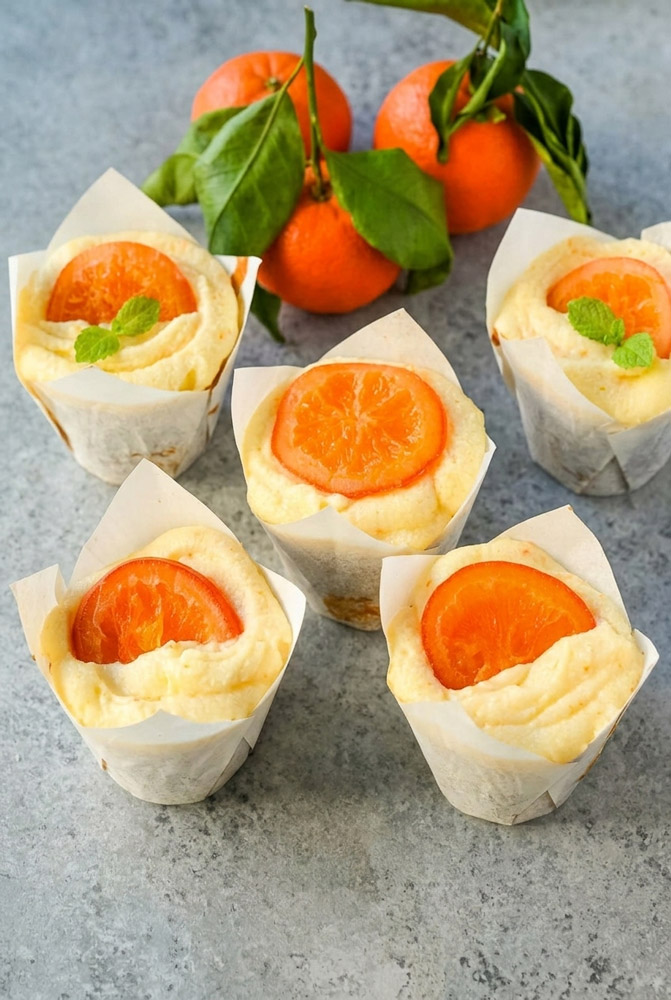
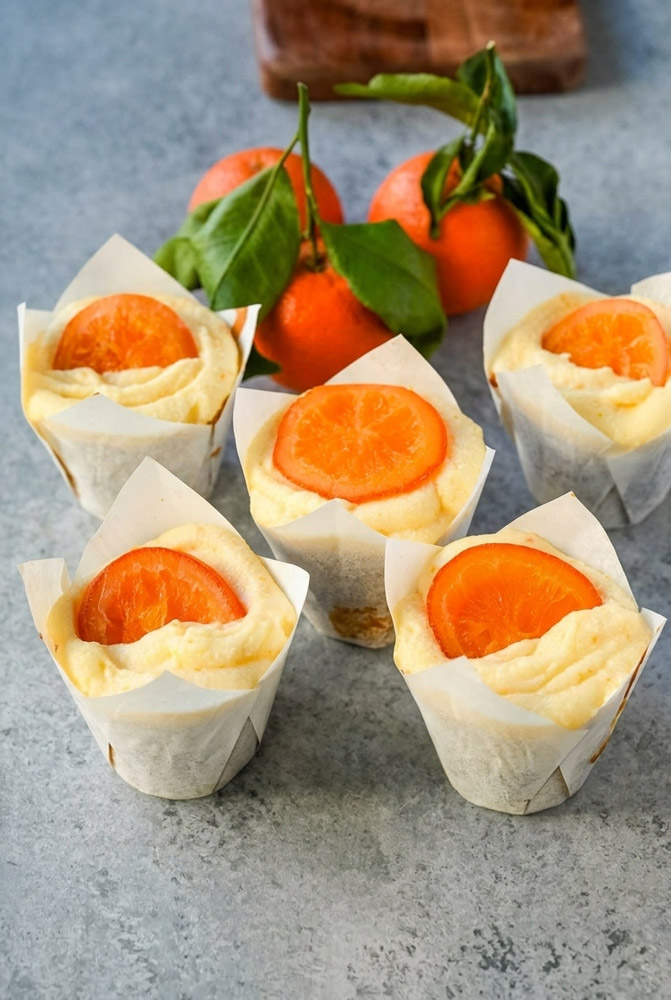
- Candied Citrus Crown: Garnish each frosted cupcake with a translucent wheel of candied orange or a dehydrated citrus wheel dusted with raw sugar.
Serving, Storage, and Freshness
Plating & Pairings
Serve these cupcakes on a rustic wooden platter or white marble cake stand garnished with fresh orange leaves, sprigs of flowering thyme, or scattered citrus peels.
They pair wonderfully with:
- Espresso or Americano: The rich roast cuts cleanly through the creamy frosting.
- Earl Grey Tea: Bergamot citrus notes in the tea harmonize with the orange oils.
- Sparkling Prosecco or Moscato d’Asti: Light effervescence balances the rich, velvety crumb.
Storage & Freezing Guidelines
- Room Temperature: If serving within 4 to 6 hours, frosted cupcakes can sit safely at room temperature in a cool, shaded spot.
- Refrigeration: Because of the dairy cream cheese in the frosting, store leftovers in an airtight cupcake container in the refrigerator for up to 5 days. Bring them to room temperature for 20 to 30 minutes before serving to soften the frosting and restore the crumb’s silkiness.
- Freezing: Unfrosted cupcakes freeze exceptionally well for up to 3 months. Wrap each cooled cupcake securely in plastic wrap and place them in a zip-top freezer bag. Thaw overnight in the refrigerator, bring to room temperature, and apply fresh frosting before serving.
Orange Olive Oil Cupcakes

Infused with freshly squeezed citrus juice and fragrant orange zest, these Mediterranean-inspired olive oil cupcakes deliver an exceptionally moist, velvety crumb. Crowned with a fluffy, zesty cream cheese frosting, they are the ultimate celebration of bright citrus flavor and rustic elegance.
- Prep Time: 30 minutes
- Cook Time: 20 minutes
- Total Time: 50 minutes
- Yield: 20 cupcakes 1x
- Category: Dessert / Baking
- Cuisine: American / Mediterranean-Inspired
Ingredients
For the Cupcakes:
- 2 1/2 cups (315g) all-purpose flour
- 1 3/4 cups (350g) granulated sugar
- 1 1/2 tsp baking soda
- 1 tsp baking powder
- 3/4 tsp fine sea salt
- 2 to 3 tsp freshly grated orange zest
- 1 cup (240ml) extra virgin olive oil (or canola/vegetable oil)
- 1 cup (240ml) fresh orange juice
- 3 large eggs, room temperature
- 1 cup (240g) full-fat sour cream, room temperature
For the Orange Cream Cheese Frosting:
- 1 cup (226g) salted butter, softened
- 8 oz (226g) brick cream cheese, softened
- 4 cups (480g) powdered sugar, sifted
- 1 tsp freshly grated orange zest
- 2 tbsp fresh orange juice
Instructions
- Prep the Oven & Liners: Preheat oven to 350°F (175°C). Line two standard 12-cup muffin tins with tulip parchment liners. Lightly mist the insides of the liners with non-stick cooking spray to prevent sticking.
- Combine Dry Ingredients: In a large bowl, whisk together the all-purpose flour, granulated sugar, baking soda, baking powder, and sea salt until thoroughly blended.
- Whisk Wet Ingredients: In a separate bowl, whisk the olive oil, fresh orange juice, room-temperature eggs, sour cream, and orange zest until smooth and emulsified.
- Mix Batter: Pour the wet ingredients into the dry ingredients. Fold gently with a silicone spatula just until combined and no dry flour streaks remain. Do not over-mix.
- Portion & Bake: Divide batter evenly among prepared liners, filling each roughly 2/3 to 3/4 full. Bake at 350°F for 18–20 minutes, or until tops spring back lightly and a toothpick inserted into the center comes out clean.
- Cool Completely: Allow cupcakes to cool in the pans for 15 minutes, then transfer to a wire rack to reach room temperature.
- Make Frosting: In a stand mixer fitted with the paddle attachment, beat the softened butter and cream cheese on medium-high speed for 4 minutes until light and airy. Scrape the bowl halfway through.
- Finish & Frost: Reduce speed to low, gradually mix in powdered sugar, then add orange zest and orange juice. Beat on medium-high for 1 minute until fluffy. Swirl frosting onto fully cooled cupcakes.
Notes
- Zest First: Always microplane your oranges before slicing them for juicing to extract maximum citrus oils without bitter white pith.
- Oil Selection: Use a mild, buttery extra virgin olive oil (such as Arbequina) to keep the flavor balanced and floral.
- Storage: Keep frosted cupcakes in an airtight container in the refrigerator for up to 5 days. Allow them to sit at room temperature for 20 minutes before serving for optimal texture. Unfrosted cupcakes can be frozen for up to 3 months.
