

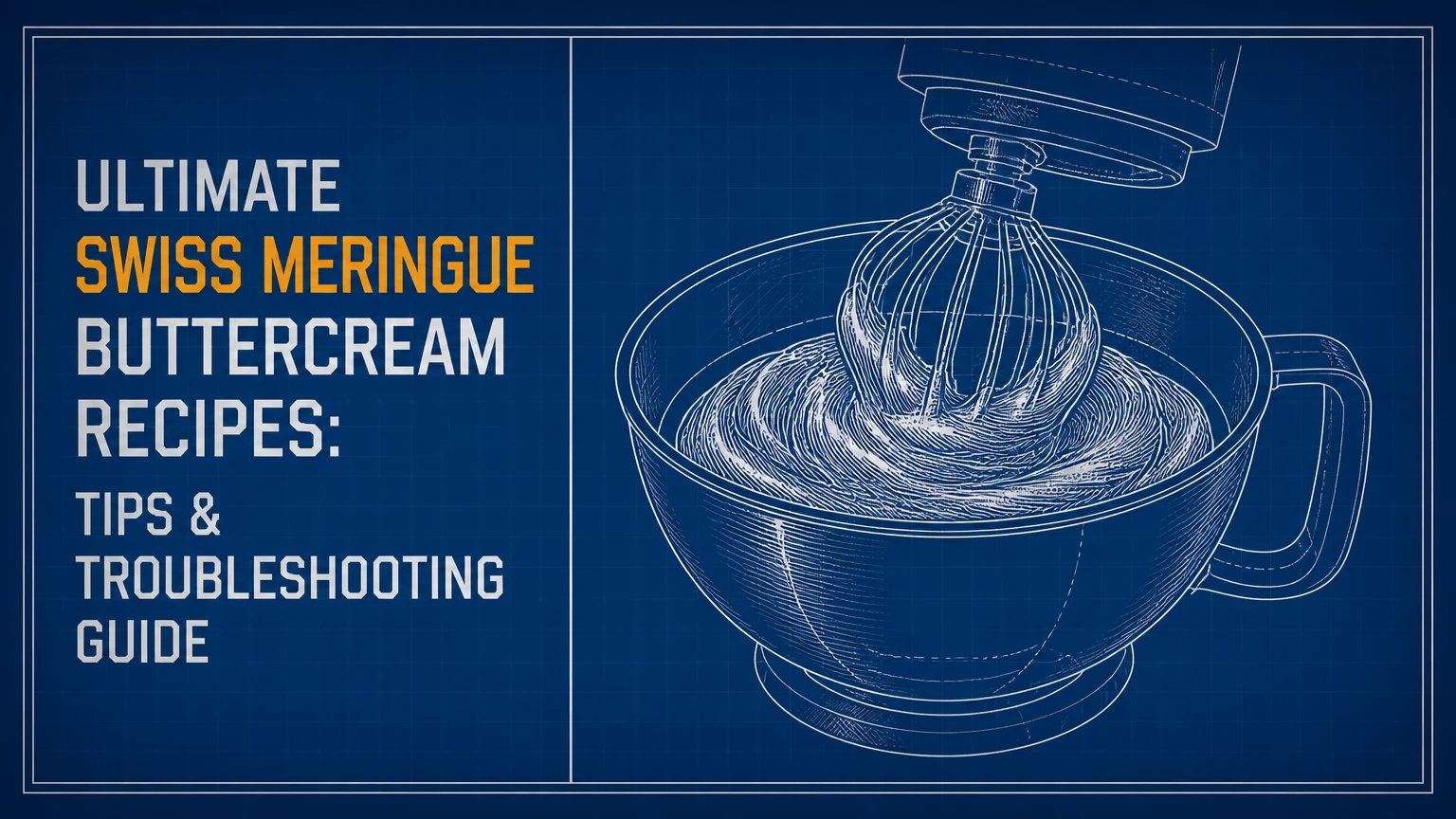
If you’ve ever marveled at the silky smooth frosting on a cake, there’s a good chance it was Swiss meringue buttercream. This luxurious icing is a favorite among bakers for its light, airy texture and subtle sweetness. Unlike its American counterpart, Swiss meringue buttercream offers a more sophisticated flavor profile that pairs beautifully with a variety of cakes and pastries.
Ingredients
Gathering the right ingredients is key to making the perfect Swiss meringue buttercream. Below, I’ve listed all the essentials you’ll need.
Main Ingredients
- 4 large egg whites: Ensure they are at room temperature.
- 1 cup granulated sugar: This will be dissolved into the egg whites.
- 1½ cups unsalted butter: Softened and cut into small cubes.
- 1 teaspoon vanilla extract: For that classic vanilla flavor.
- 1-2 tablespoons fruit puree: For natural fruit flavors.
- 1-2 teaspoons cocoa powder: For a rich chocolate taste.
- Gel food coloring: To customize the color of your buttercream.
- 1 teaspoon almond extract: For an extra nutty flavor.
- 1 teaspoon lemon zest: For a bright and tangy twist.
Equipment
Making Swiss meringue buttercream requires some specific tools to ensure perfect consistency and texture. Let’s go over both essential and optional tools to make the process seamless.
Essential Tools
These tools are crucial for achieving the light and smooth texture of Swiss meringue buttercream.
- Double Boiler or Heatproof Bowl: For warming the egg whites and sugar mixture.
- Stand Mixer with Whisk Attachment: To whip the meringue to stiff peaks.
- Instant-Read Thermometer: To accurately measure the temperature of the egg white and sugar mixture.
- Rubber Spatula: For scraping down the sides of the bowl and ensuring everything is well incorporated.
- Measuring Cups and Spoons: For precise ingredient measurements.
Optional Tools
While not necessary, these tools can make the process easier and help achieve a more polished result.
- Piping Bags and Tips: For decorating cakes or cupcakes with intricate designs.
- Kitchen Scale: For weighing ingredients accurately.
- Offset Spatula: For smoothing buttercream on cakes for a professional finish.
- Cake Turntable: To easily and evenly frost a cake.
How to Make Swiss Meringue Buttercream
Creating Swiss meringue buttercream at home is a rewarding experience. Follow these steps for a smooth and fluffy buttercream that will elevate any dessert.
Prep
- Measure Ingredients: Gather and measure all ingredients accurately. You will need:
- 5 large egg whites (about 150 grams)
- 1 1/4 cups of granulated sugar (250 grams)
- 2 cups unsalted butter, softened and cut into pieces (454 grams)
- 2 teaspoons pure vanilla extract
- Pinch of salt
- Set Up Equipment: Prepare your double boiler by adding about an inch of water to the bottom pot. Make sure the water does not touch the bottom of the top pot when placed over it.
- Have a clean, dry mixing bowl and whisk attachment for your stand mixer ready.
- Keep an instant-read thermometer and rubber spatula nearby.
Cook Egg Whites and Sugar
- Combine Egg Whites and Sugar: Place the egg whites and granulated sugar in the top pot of the double boiler.
- Heat Mixture: Place the pot over simmering water and cook. Stir continuously with a rubber spatula until the sugar dissolves completely and the mixture reaches 160°F (71°C). Use an instant-read thermometer to check.
- Check for Graininess: Once the sugar has dissolved, rub a bit of the mixture between your fingers to make sure it’s smooth and no granules remain.
Whip the Meringue
- Transfer to Mixing Bowl: Pour the egg white mixture into the stand mixer bowl.
- Whip to Stiff Peaks: Using the whisk attachment, start on medium speed and gradually increase to high. Whip the mixture until it reaches stiff peaks and the bowl feels cool to the touch. This should take around 10 minutes. The meringue should be glossy and hold firm peaks.
Add the Butter
- Add Butter Gradually: With the mixer running on medium speed, add the softened butter one piece at a time. Allow each piece to incorporate fully before adding more. If the mixture looks curdled, keep mixing; it will come together eventually.
- Increase Speed: Once all the butter is added, increase the mixer speed to high and beat until the buttercream becomes smooth and fluffy.
- Flavorings: Add the vanilla extract and a pinch of salt. Mix on low speed until combined. Taste and adjust if necessary, adding more vanilla or salt if needed.
- Coloring: If adding food coloring, do so now. Add a few drops of food coloring and mix until evenly incorporated. Adjust the intensity as desired.
Your Swiss meringue buttercream is now ready to use. Enjoy its silky smooth texture and rich flavor on cakes, cupcakes, and more.
Troubleshooting
Even seasoned bakers can encounter issues when making Swiss meringue buttercream. Here I will address common issues and provide quick fixes to ensure your buttercream turns out perfectly.
Common Issues
- Runny Buttercream
- This often happens if the meringue or butter is too warm. You might also add the butter too quickly or not whip it enough.
- Curdled Buttercream
- When buttercream looks curdled, it usually means the butter was too cold. The mixture can become clumpy and separate.
- Greasy Buttercream
- If your buttercream feels greasy, the butter might have been too warm when you added it, causing it to melt and separate from the meringue.
- Sticky or Gritty Texture
- Egg whites and sugar might not dissolve properly, resulting in a sugar-crystal texture or a sticky meringue.
- Fix for Runny Buttercream
- Place the mixing bowl in the fridge for 10-15 minutes. Then, resume whipping at high speed until it reaches a smooth consistency.
- Fix for Curdled Buttercream
- Warm the bowl slightly by placing it over a pot of simmering water for a few seconds. Whip again to re-emulsify the mixture.
- Fix for Greasy Buttercream
- Chill the buttercream in the fridge for 15-20 minutes. Whip again on high speed until it smooths out.
- Fix for Sticky or Gritty Texture
- Ensure the egg whites and sugar reach 160°F before whipping. If the texture is still off, continue to gently heat the mixture and whip until smooth.
Storage Instructions
Proper storage is crucial to maintaining the texture and flavor of your Swiss meringue buttercream. Whether you need short-term or long-term solutions, keep the buttercream fresh and ready for your next baking project.
Short-Term Storage
For short-term storage, transfer the Swiss meringue buttercream to an airtight container. Store the container in the refrigerator for up to one week. When you’re ready to use it, let the buttercream come to room temperature. Once softened, re-whip it using a stand mixer to restore its smooth, fluffy consistency.
Long-Term Storage
For long-term storage, place the buttercream in an airtight container and store it in the freezer for up to three months. To use the frozen buttercream, move it to the refrigerator at least 24 hours before you need it to thaw gradually. Once thawed, allow it to reach room temperature, then re-whip using a stand mixer to bring back its original texture.
Tips for Success
Use High-Quality Ingredients
Always opt for fresh, high-quality ingredients when making Swiss meringue buttercream. Fresh egg whites and pure vanilla extract enhance flavor and texture, while high-quality butter ensures a smooth consistency. Using subpar ingredients can lead to a subpar result.
Properly Clean Your Equipment
Any grease or residue can prevent egg whites from whipping into stiff peaks. Clean your mixing bowls and beaters thoroughly with hot soapy water and dry them completely. For added precaution, you can wipe them down with a bit of vinegar before use.
Monitor Sugar Temperature
Use an instant-read thermometer to ensure the sugar and egg white mixture reaches 160°F (71°C). This temperature is critical to dissolve the sugar entirely and make the egg whites safe for consumption. Undissolved sugar may result in a grainy buttercream.
Ensure Stiff Peaks
Whip the egg white and sugar mixture until it forms stiff, glossy peaks. This step is crucial for achieving the right structure for your buttercream. Take your time here, as under-whipped meringue will result in a runny consistency.
Add Butter Gradually
Incorporate the butter a piece at a time, allowing each piece to fully mix in before adding the next. Adding the butter too quickly can cause the buttercream to curdle. If the mixture looks soupy, don’t panic – simply continue to whip until it comes together.
Control The Room Temperature
Room temperature plays a significant role in the success of your buttercream. If your kitchen is too warm, the butter can become too soft; if it’s too cold, the butter may not blend properly. The ideal room temperature is around 70°F (21°C). If necessary, adjust the temperature of your kitchen or butter to achieve the best results.
Avoid Overheating Buttercream
If your buttercream becomes too soft or starts to look greasy, it may have overheated. Place the mixing bowl in the refrigerator for 10-15 minutes to cool down, then re-whip to bring it back to the desired consistency.
Practice Makes Perfect
Swiss meringue buttercream can be a bit intimidating, but with practice, you’ll get the hang of it. Don’t be discouraged by initial attempts; keep refining your technique. Each batch is a learning experience, bringing you closer to a perfect buttercream every time.
Conclusion
Mastering Swiss meringue buttercream may seem daunting at first but with the right techniques and a bit of patience it’s entirely achievable. The light texture and sophisticated flavor make it a worthwhile addition to your baking repertoire. Remember to use high-quality ingredients and keep an eye on your sugar temperature. Don’t rush the process of adding butter and always monitor your room temperature to avoid any mishaps.
Practice truly makes perfect when it comes to this elegant frosting. Each attempt will bring you closer to creating a flawless Swiss meringue buttercream that’ll impress anyone who tastes it. So roll up your sleeves and start whisking—your taste buds will thank you!
